

Hi, I’m Sophie, and I’ve always been drawn to minimalist home ideas. There’s something incredibly calming about walking into a space that feels open, clutter-free, and effortlessly stylish. When I first started simplifying my home, I thought it meant getting rid of everything—but I quickly realised that minimalism isn’t about having less; it’s about having what truly matters.
I’ve got you covered if you want to create a minimalist home that feels warm, inviting, and practical. Let’s dive into simple ways to achieve that perfect balance.
Why Choose a Minimalist Home?
Minimalism isn’t just about aesthetics—it’s a lifestyle choice that comes with some fantastic benefits:
- Less clutter, less stress – A tidy space helps clear the mind and reduces overwhelming feelings.
- Easier to clean – Fewer items mean less dusting, scrubbing, and organising.
- More space to breathe – Open spaces feel lighter, airier, and more relaxing.
- Saves money – Being intentional about what you bring into your home prevents unnecessary spending.
- Sustainable living – Buying fewer but better-quality pieces reduces waste and promotes eco-friendly choices.
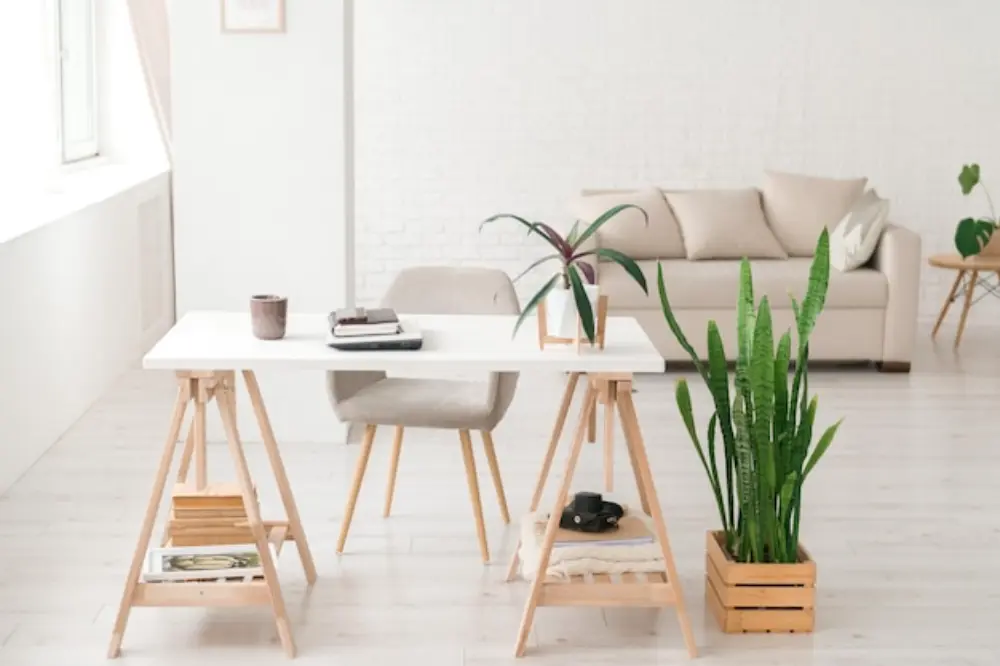
1. Start with a Decluttering Session
A minimalist home begins with removing what no longer serves you. But don’t worry, you don’t have to throw everything away overnight. Here’s a simple approach:
- One room at a time – Focus on one space before moving to the next.
- The “joy check” method – Ask yourself if an item adds value or joy. If not, it’s time to let go.
- Keep surfaces clear – Countertops, tables, and dressers should only hold essentials or meaningful decor.
- Digitise when possible – Scan important documents, photos, and notes to reduce paper clutter.
Decluttering isn’t about getting rid of everything—it’s about curating a home that supports your lifestyle.
2. Choose a Neutral Colour Palette
Minimalist homes thrive on neutral, calming colours. Whites, beiges, greys, and soft earth tones create a sense of openness and tranquillity.
- White walls make spaces feel larger and brighter.
- Earthy tones like taupe, warm greys, and muted greens add warmth without overwhelming the space.
- Soft textures in rugs, cushions, and throws help balance a neutral palette and add cosiness.
If you love colour, introduce it in small doses—think of a piece of artwork, a vase, or a statement cushion.
3. Invest in Functional and Stylish Furniture
Minimalism doesn’t mean empty rooms—it means intentional choices. When selecting furniture, focus on:
- Simple designs – Clean lines and timeless pieces work best.
- Multipurpose furniture – Ottomans with storage, foldable tables, or sofa beds maximise space.
- Quality over quantity – Fewer, well-made pieces will serve you better in the long run.
- Open space around furniture – Give pieces room to breathe for a more spacious feel.
4. Embrace Smart Storage Solutions
A minimalist home still needs storage—but the key is keeping it discreet and organised.
- Built-in shelving keeps things off the floor while blending seamlessly into the room.
- Under-bed storage is great for extra blankets, seasonal clothes, or shoes.
- Hidden storage, like benches with compartments or sleek cabinets, helps maintain a clean look.
- Baskets and boxes keep small items organised without adding visual clutter.
When everything has a home, tidying up becomes effortless.
5. Keep Decor Simple Yet Meaningful
Decor in a minimalist home should be thoughtfully chosen rather than overwhelming. A few well-placed pieces can make a space feel inviting without feeling cluttered.
- Plants – Greenery adds life and warmth without taking up much space.
- One statement artwork – A large, simple piece can create impact without crowding the walls.
- Candles or vases – A few elegant coffee tables or shelf pieces add charm.
- Mirrors – They reflect light and make small spaces feel bigger.
The key is to display what you love while maintaining a sense of balance.
6. Let in Natural Light
Natural light instantly makes a space feel fresh, open, and inviting. Here’s how to maximise it:
- Keep window treatments light – Sheer curtains or simple blinds allow light to filter through.
- Position mirrors strategically – Placing them opposite windows helps bounce light around the room.
- Declutter windowsills – Keep them clear to let in as much sunlight as possible.
If natural light is limited, use warm, soft lighting, such as table lamps and warm LED bulbs, to create a cosy atmosphere.
7. Create a Calm and Functional Bedroom
Your bedroom should be a sanctuary, not a storage unit. A minimalist bedroom focuses on rest, relaxation, and simplicity.
- Keep bedside tables clutter-free – A lamp, book, and small plant are enough.
- Opt for a neutral bedding set – Soft, breathable, light-coloured fabrics create a peaceful vibe.
- Limit decor – One wall art or a statement headboard can be enough.
- Store seasonal clothing elsewhere – Rotate clothes to keep your wardrobe light and functional.
A bedroom free from excess clutter encourages better sleep and a more peaceful mindset.
8. Apply Minimalism to Everyday Living
Minimalism isn’t just about decor—it’s about creating a lifestyle that feels intentional and stress-free. Here are a few ways to embrace minimalist living:
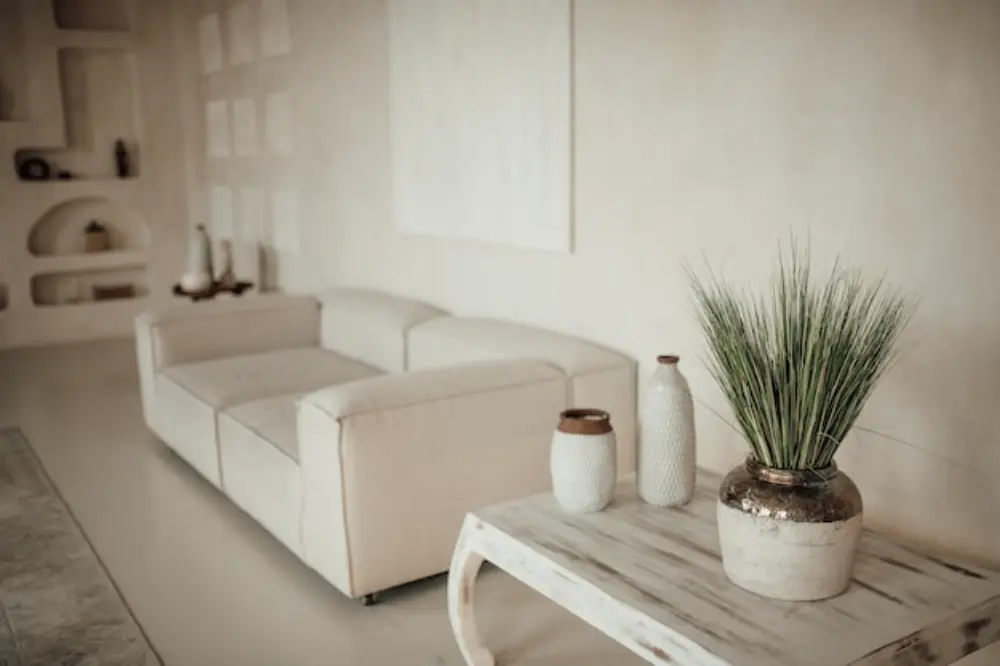
- Limit impulse buys – Ask yourself if you truly need it before purchasing.
- Simplify routines – A tidy space makes daily tasks easier and more enjoyable.
- Prioritise quality time – With fewer distractions, there’s more time for what truly matters.
- Let go of the “more is better” mindset – Minimalism is about finding joy in simplicity.
Final Thoughts
Creating a minimalist home isn’t about following strict rules—it’s about designing a space that feels peaceful, functional, and truly yours. Small steps can make a big difference if you start or refine your style.
Have you tried adding minimalist touches to your home? What’s worked for you? Drop a comment below—I’d love to hear your thoughts! If you find this guide helpful, share it with someone looking for minimalist home ideas.